

Walking route
The route of the Riberer.


The Riberer Trail is a historical walk that is an essential part of Benissa's identity. It pays tribute to the riberers, day laborers from Benissa and other towns in the Marina Alta, who temporarily emigrated to the fertile lands of the Ribera del Jucar near Valencia to work as day laborers on the rice harvest.
Distance: 13 km.
Time: 4h00.
Grade: Easy.
Type: Circular.
Gps Track: Yes.
Route description: Yes.
Wheelchair: Not suitable.
Dog: Allowed on leach.
Height gain: 400 meters.
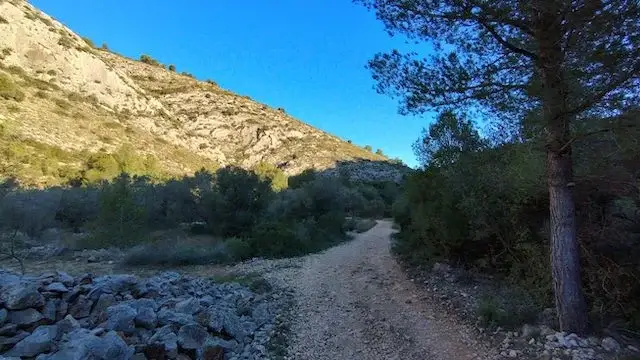
Trail: Paved and unpaved.
Marking: PR-CV388 - White-Yellow.
Hiking shoes recommended.
Ruta dels Riberer.
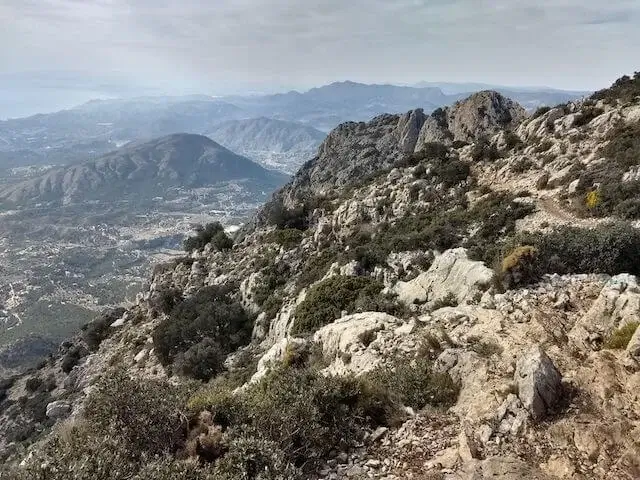
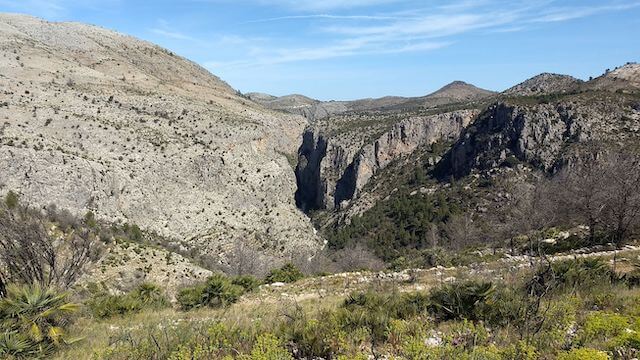
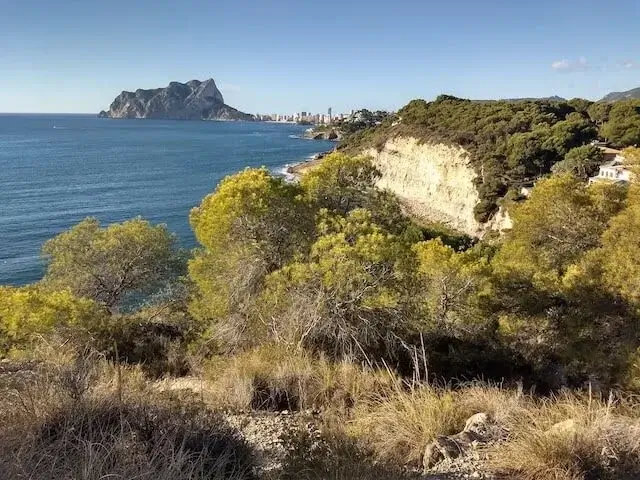
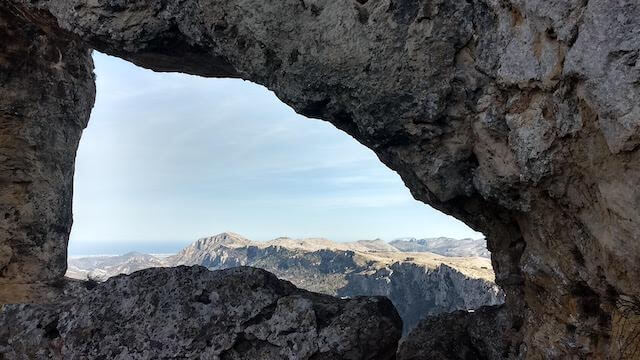
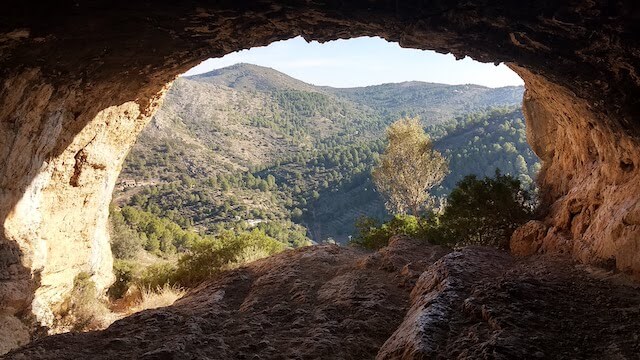
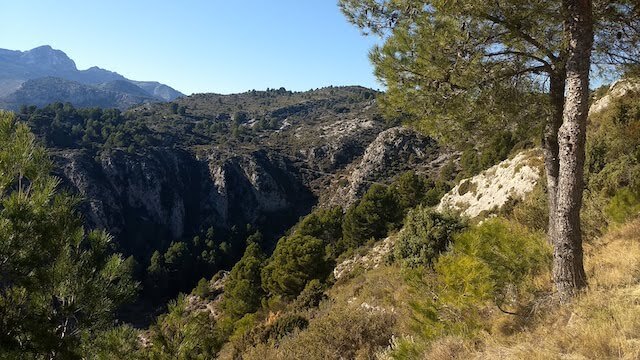
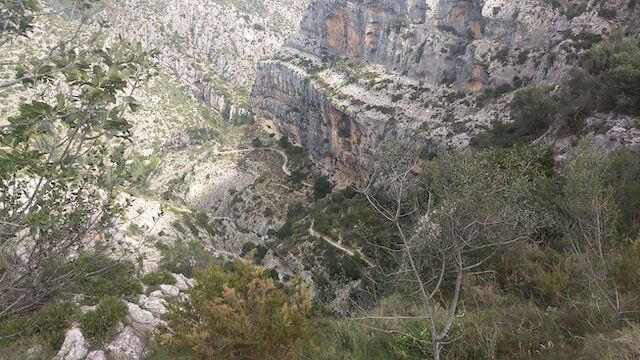
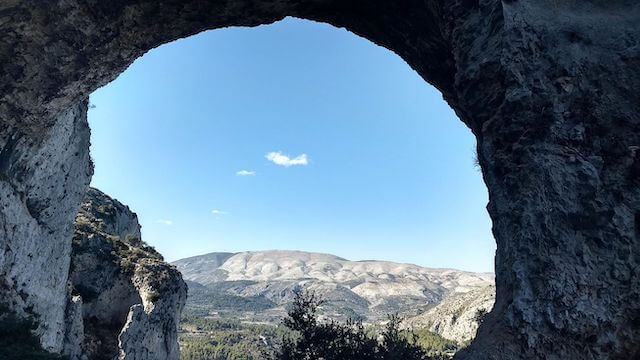
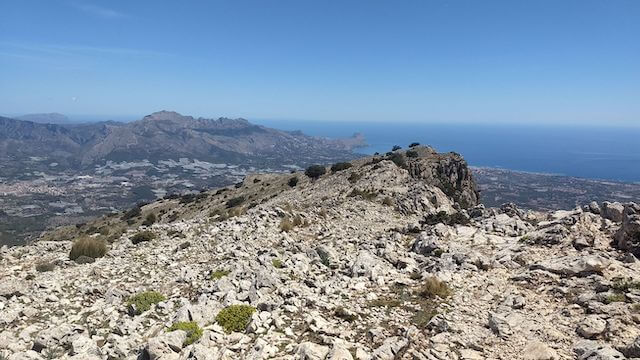
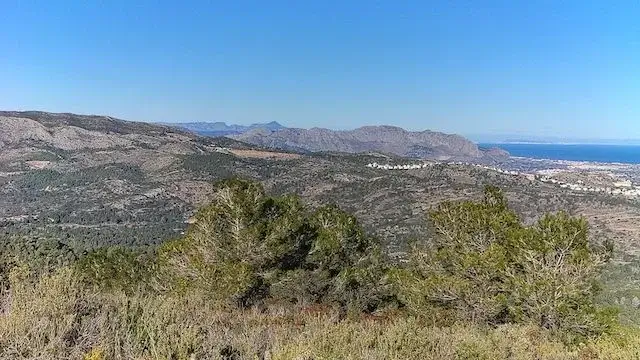
From the cemetery of Benissa, the trail winds through valleys and mountains, surrounded by vineyards, almond trees, and olive groves. Along the way, you'll encounter old country houses and stone buildings, such as the abandoned site of the Roca de la Salve, the Font de la Mata area with the dilapidated Casa de los Xaparrundos and its cistern, and another ruined lime kiln. The literal highlight is the Alt dels Serrellars, where, at an altitude of 432 meters, you have a magnificent 360-degree panoramic view of the surrounding area. Everything bears witness to the footprints of those who walked this route over a century ago.
The Riberers were day laborers from Benissa and the surrounding area who traveled twice a year to the villages of La Ribera in the nineteenth century and until the mid-twentieth century to work in the rice fields. They worked 15 hours a day for between 25 and 44 days during the harvest season along the river.
Download PDF for route description and map.
POI 1 - Homenatge Benissa Riberer 400.
The "Homenatge Benissa Riberer 400" refers to a special celebration in Benissa in 2024, namely the 400th anniversary of the arrival of the image of the Virgin of the Puríssima Xiqueta, and an ode to the riberers.
No additional information.
POI 2 - Roca de la salve.
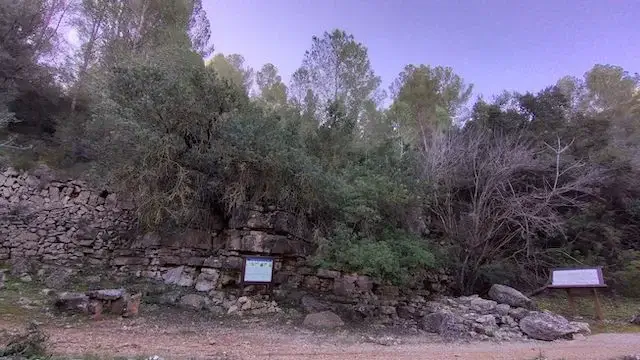
The Roca de la Salve is a memorial stone. At this spot, the Riberers turned for a final look toward the church of Benissa and prayed a salve in honor of Benissa's patron saint, Puríssima Xiqueta. In this prayer, they asked for protection against malaria, typhoid, and cholera. Along the way, you'll come across the spot where this stone once stood, on the border between Senija and Benissa. However, due to the construction of the motorway, it had to be moved. Initially, it was placed in an untended and dilapidated area in Benissa, but now the original Roca de la Salve is located in the school in Senija. A memorial (with a replica of this stone) honoring the Riberers can be found in the plaza vella in Benissa..
No additional information.
POI 3 - Font de la Mata.
Font de la Mata is a stone fountain, a well built by the Arabs to use the water for the countryside and for the slightly lower washhouse. The fountain has six stone steps shaped like dice and consists of a drinking hole, a table, and carved chairs. But it is the two specimens of llentiscle (mastic tree) growing between the rocks above the fountain that make this place special and give it its name. Mata is the common Valencian name for mastic. The mastic tree is a small shrub that can grow up to 3 meters tall. What makes this place special is that the two monumental shrubs are of different ages. At approximately 600 and 800 years old, they are possibly the oldest shrubs in the entire Iberian Peninsula..
No additional information.
POI 4 - Casa dels Xaparrundos.
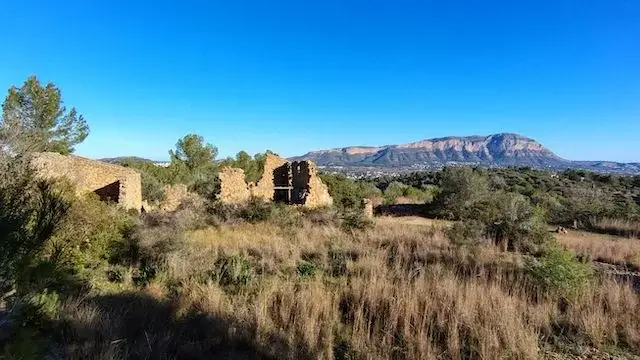
The Casa de los Xaparrundos and its cistern are a dilapidated 19th-century farmhouse used for raisin production. Next to the house is a stone water cistern, 11 meters long and 2.8 meters wide, with two round arches at each end.
No additional information.




Walks Alicante.